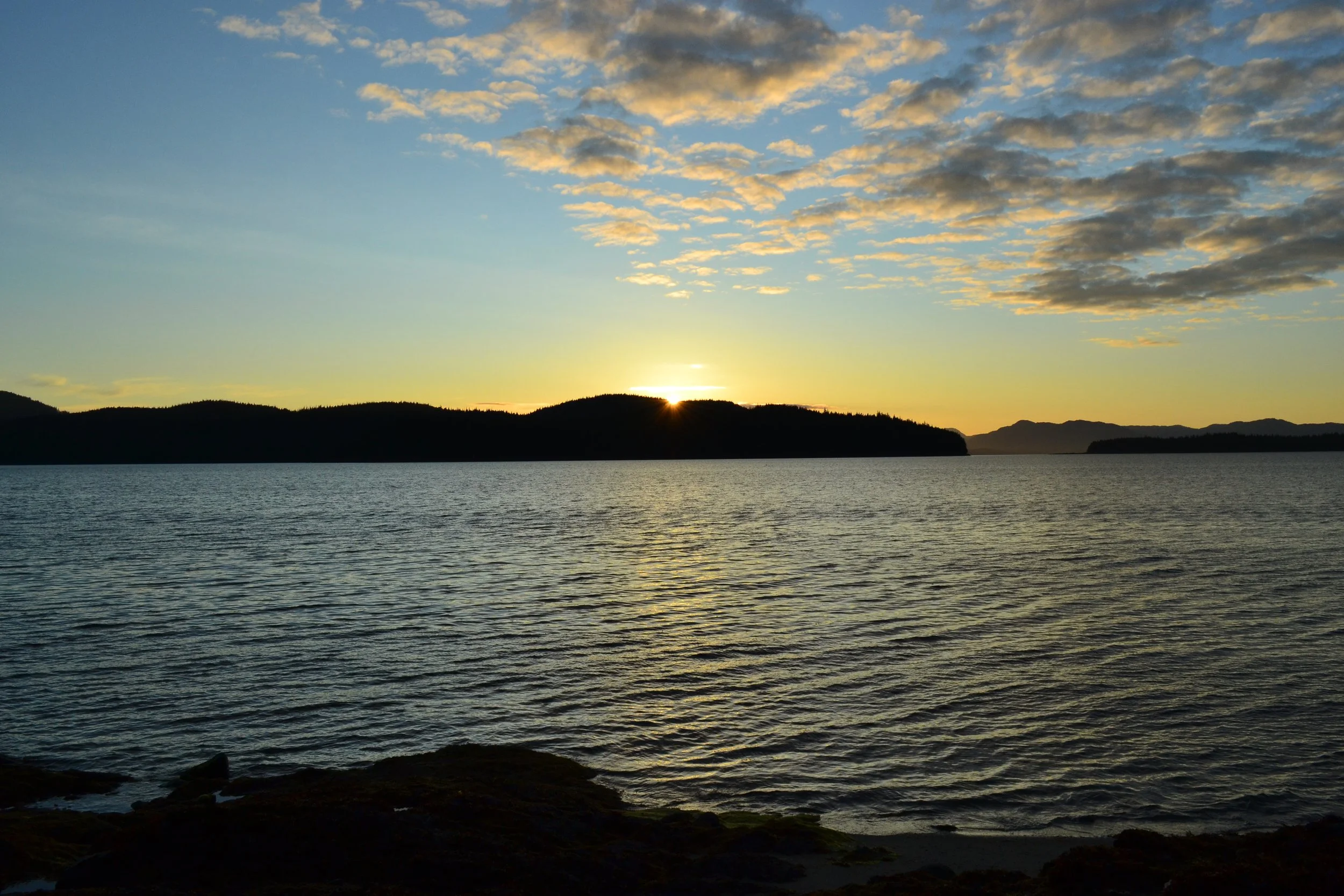
What’s a forest worth to you?
This Spring, the USDA will have another open public comment period, you can share your perspective on the roadless rule protections here

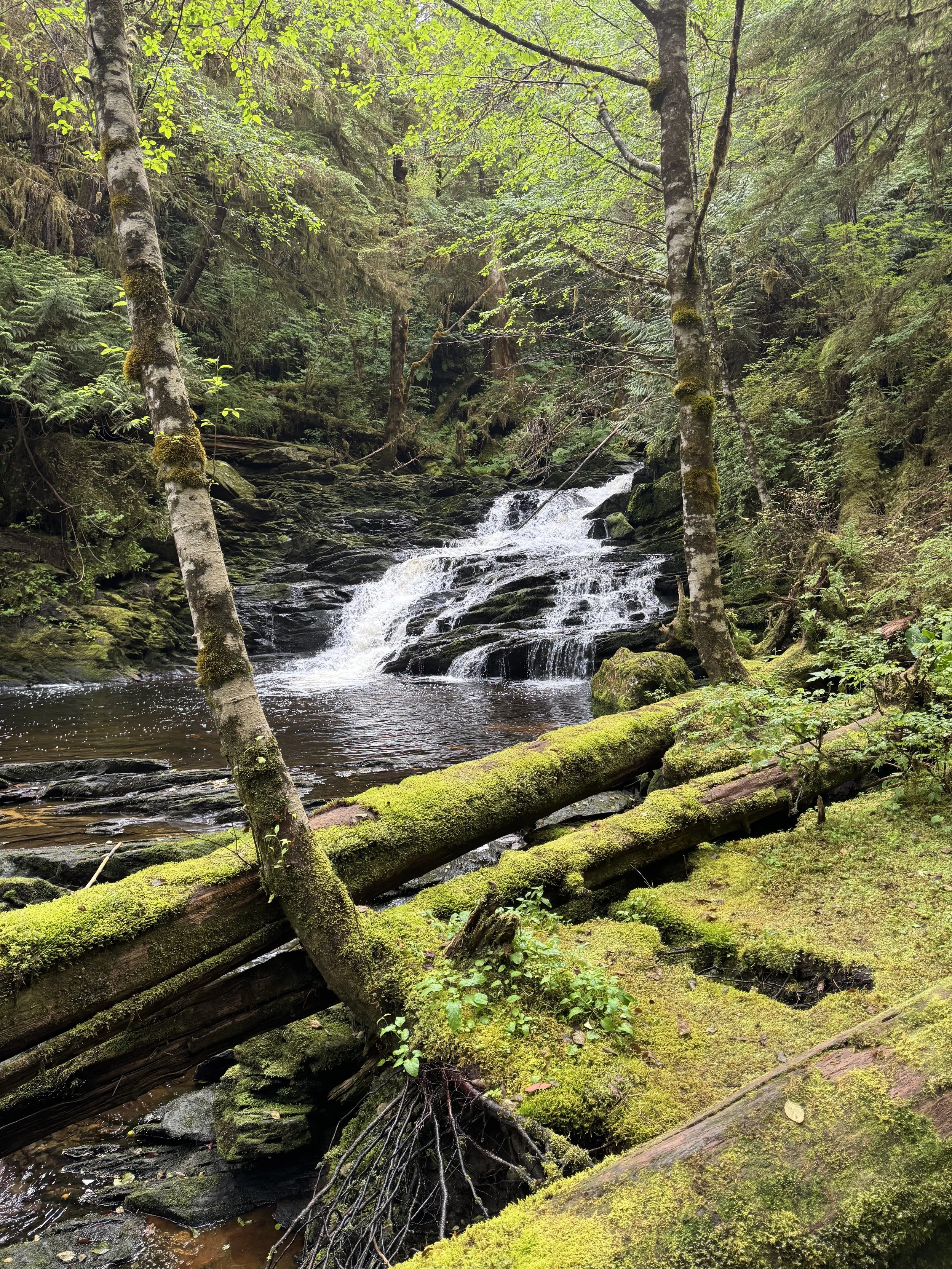
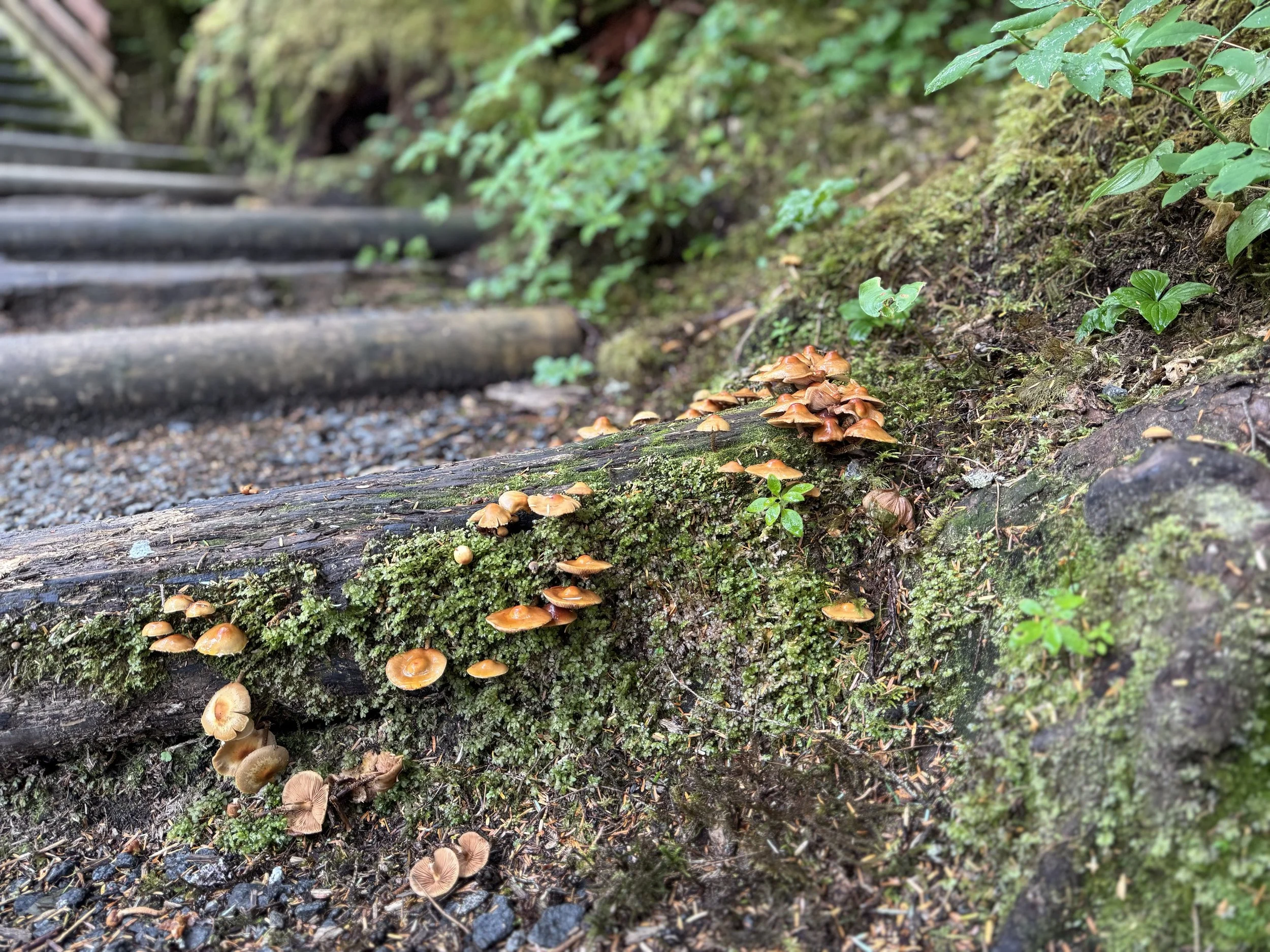
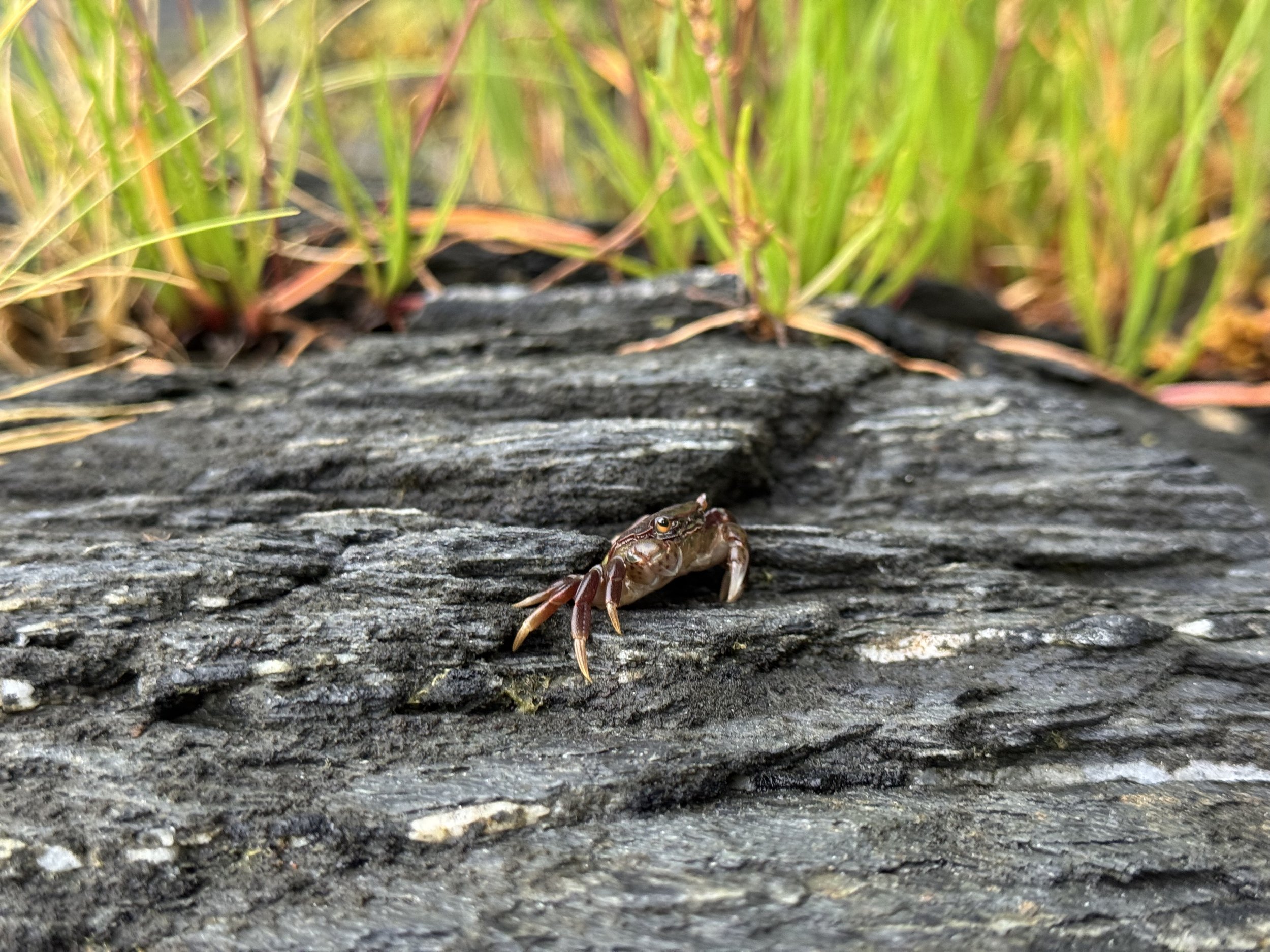
The Tongass is home to 400 different species of known marine and land animals. This doesn’t account for insects or species we haven’t documented. Species like the pink salmon specifically contribute to and rely on the health of the Tongass to thrive.Roots of relevance

Majority of the population in Ketchikan rely on tourism and fishing for income, and not timber. They have made a full economic recovery from COVID-19, due to increases in the tourism and fishing industries. The Tongass’ seafood industry employs 1 in every 10 SE Alaskan, producing over 1 billion USD in revenue.
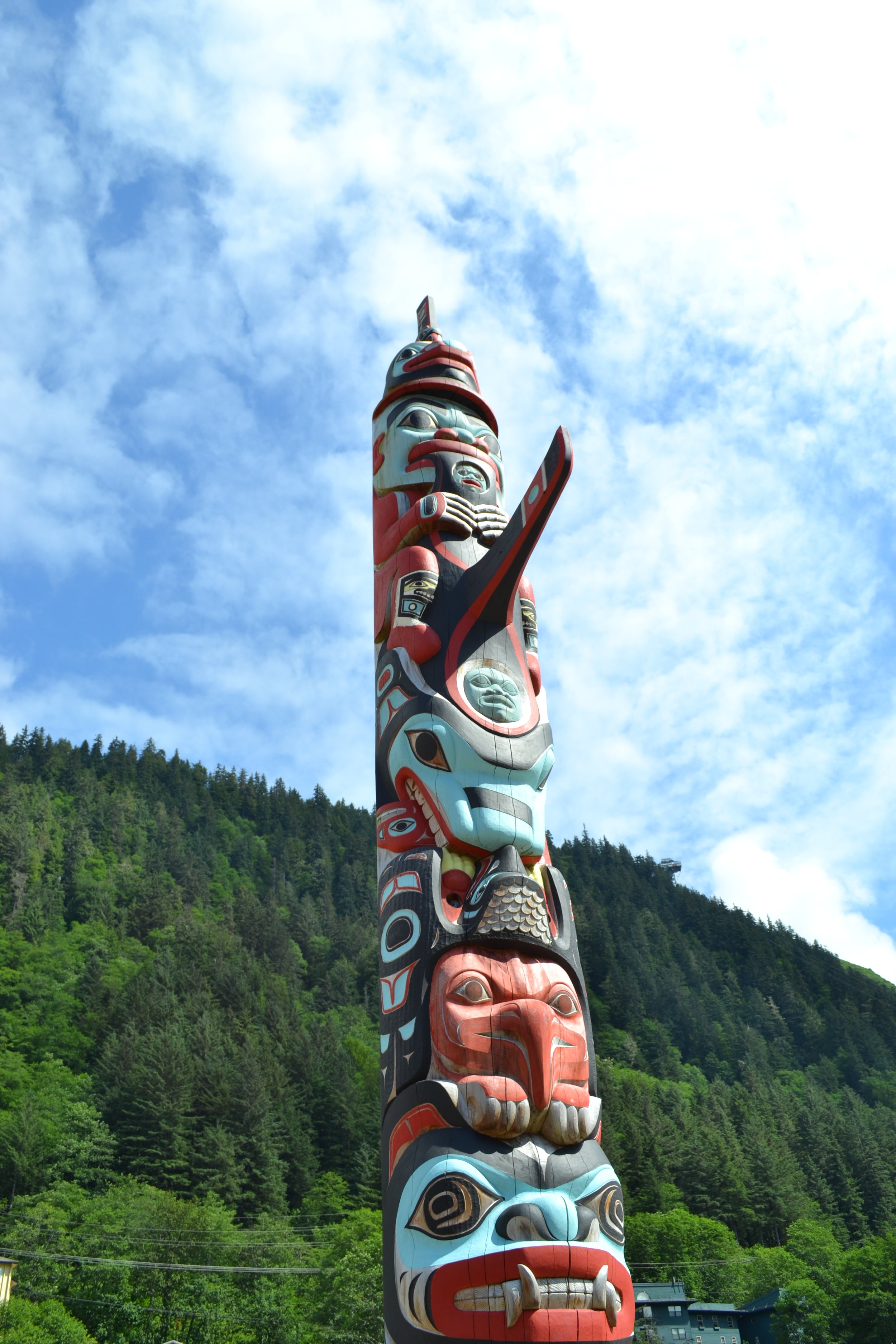
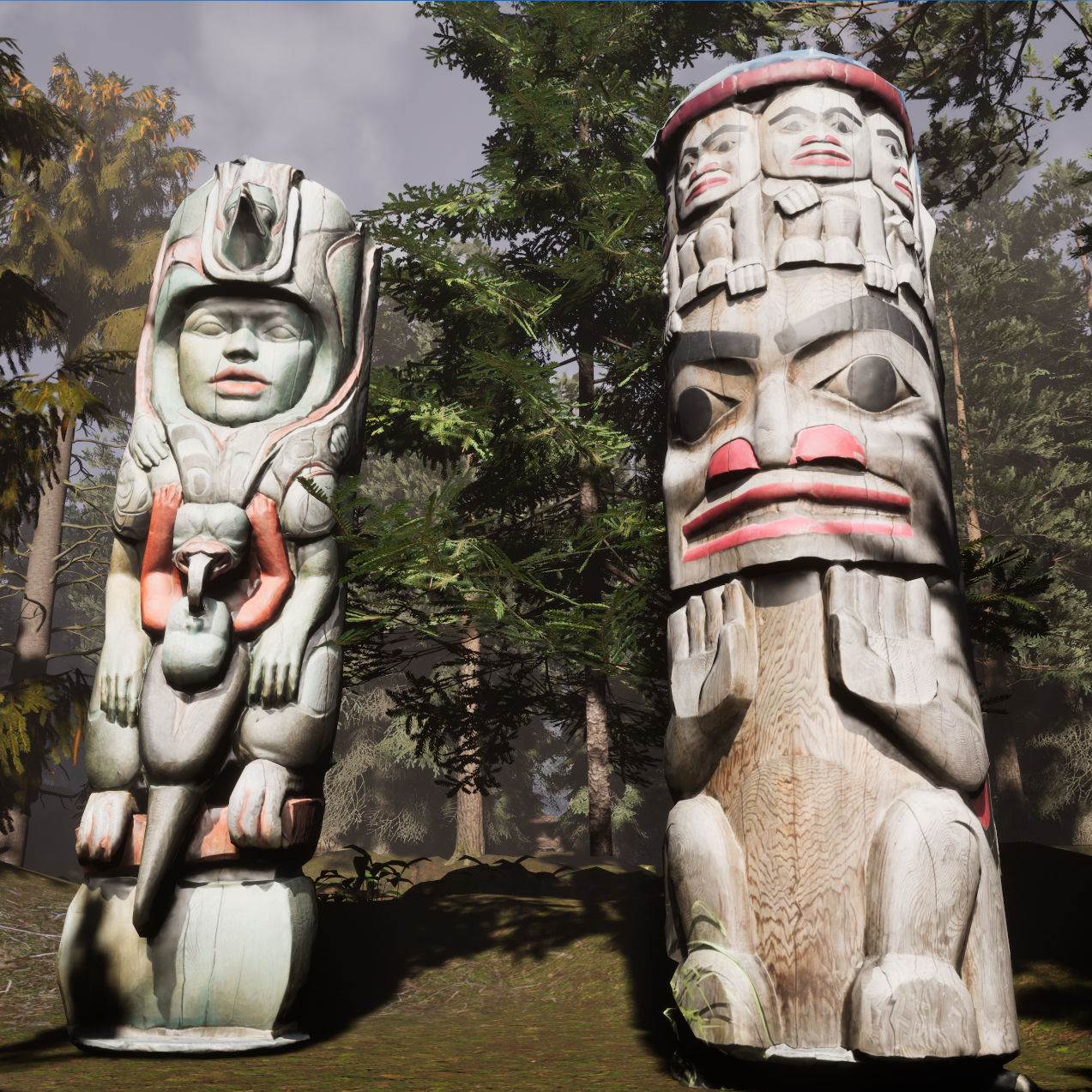
The Haida, Tlingit, and Tsimshian indigenous communities have lived in this region for thousands of years, each community speaking their own isolate language.Purpose
We are archiving the imminent deforestation to occur in the Tongass, using immersive technologies to share the stories South East Alaska, its people and wildlife alike.
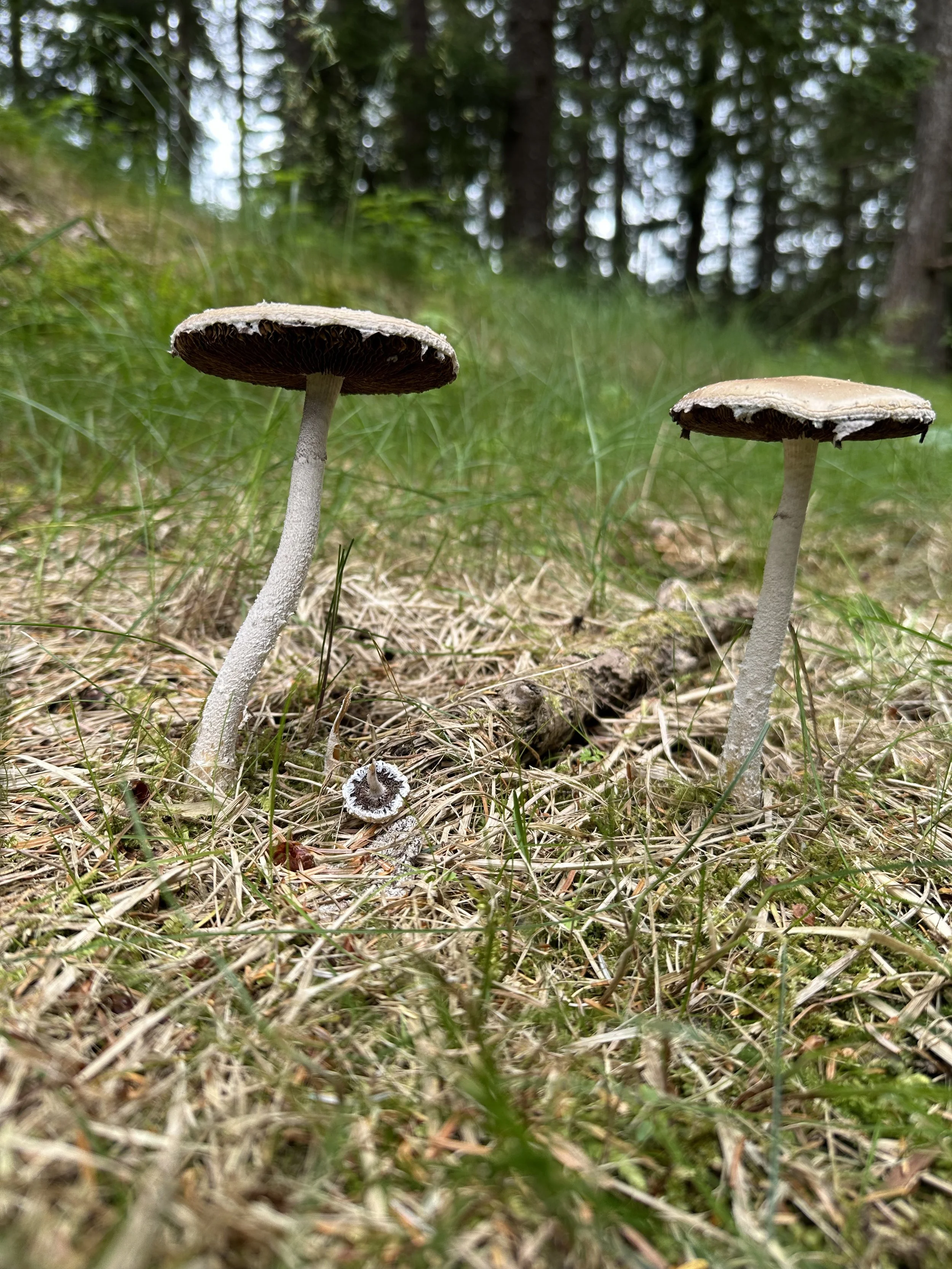
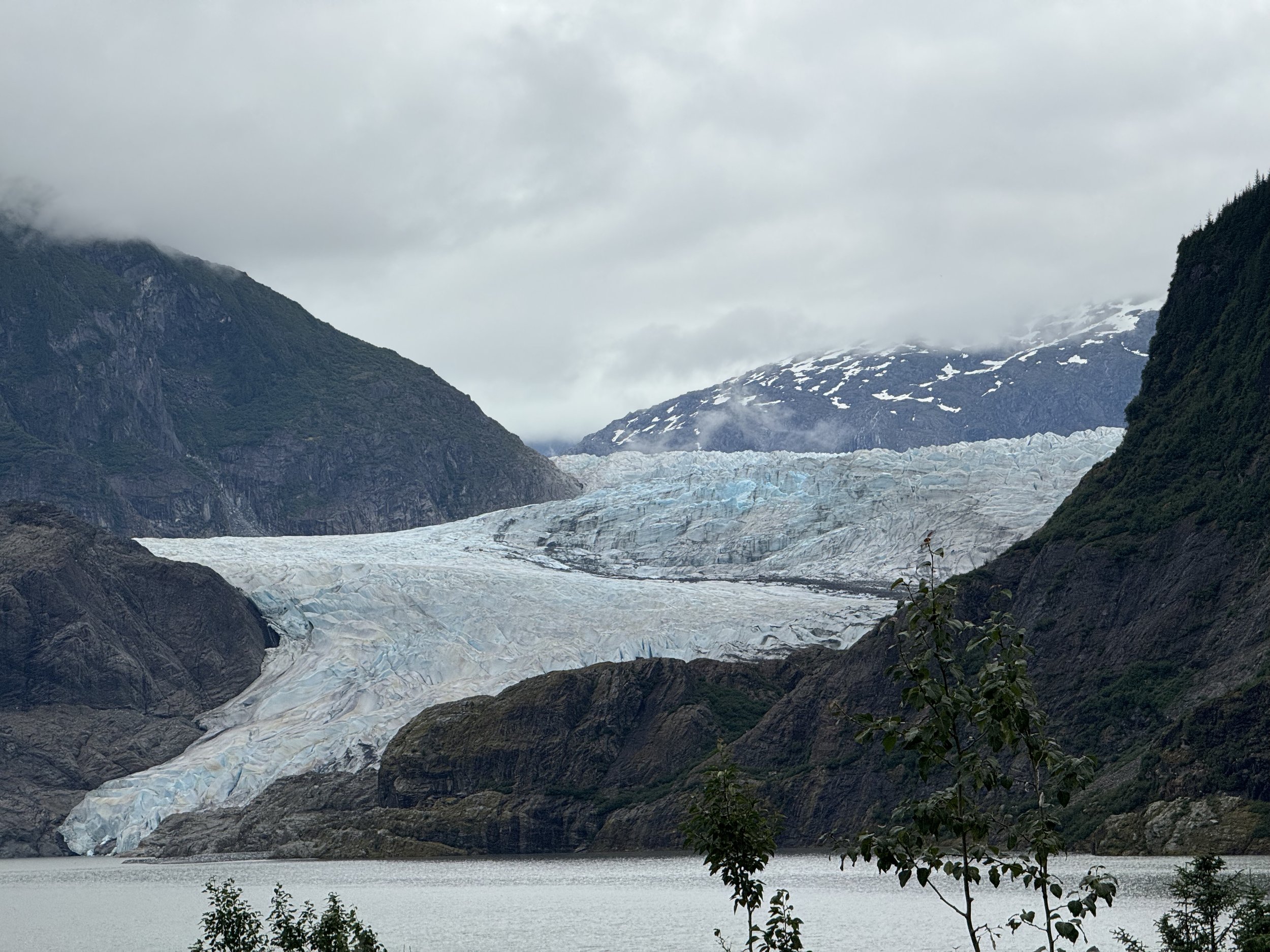
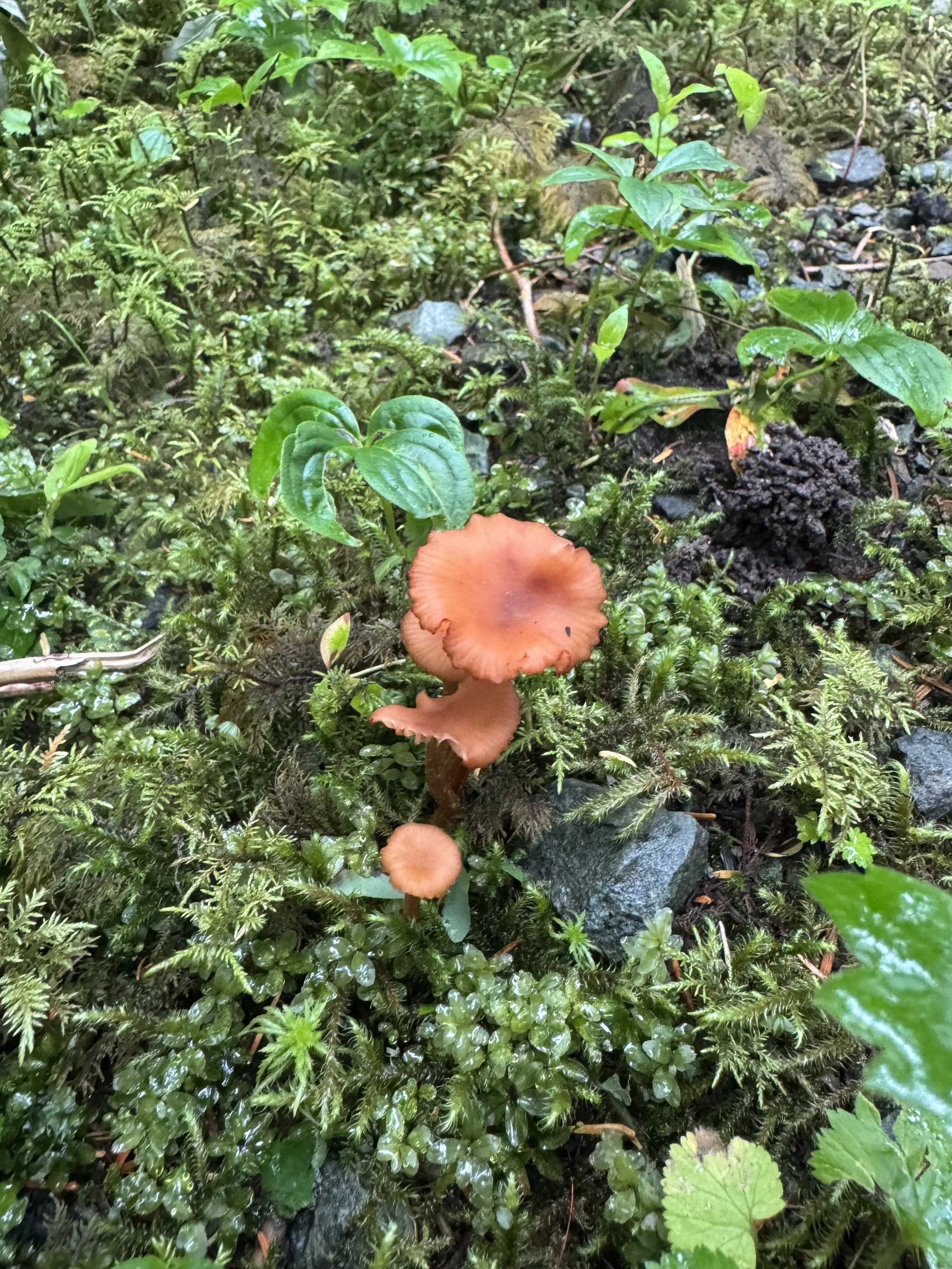
Explore the rich flora and fauna
-
![]()
-
![]()
-
![]()
-
![]()
-
![]()
New List Item
-
![]()
New List Item
-
![]()
New List Item
Why VR?
Multi-Media Experience
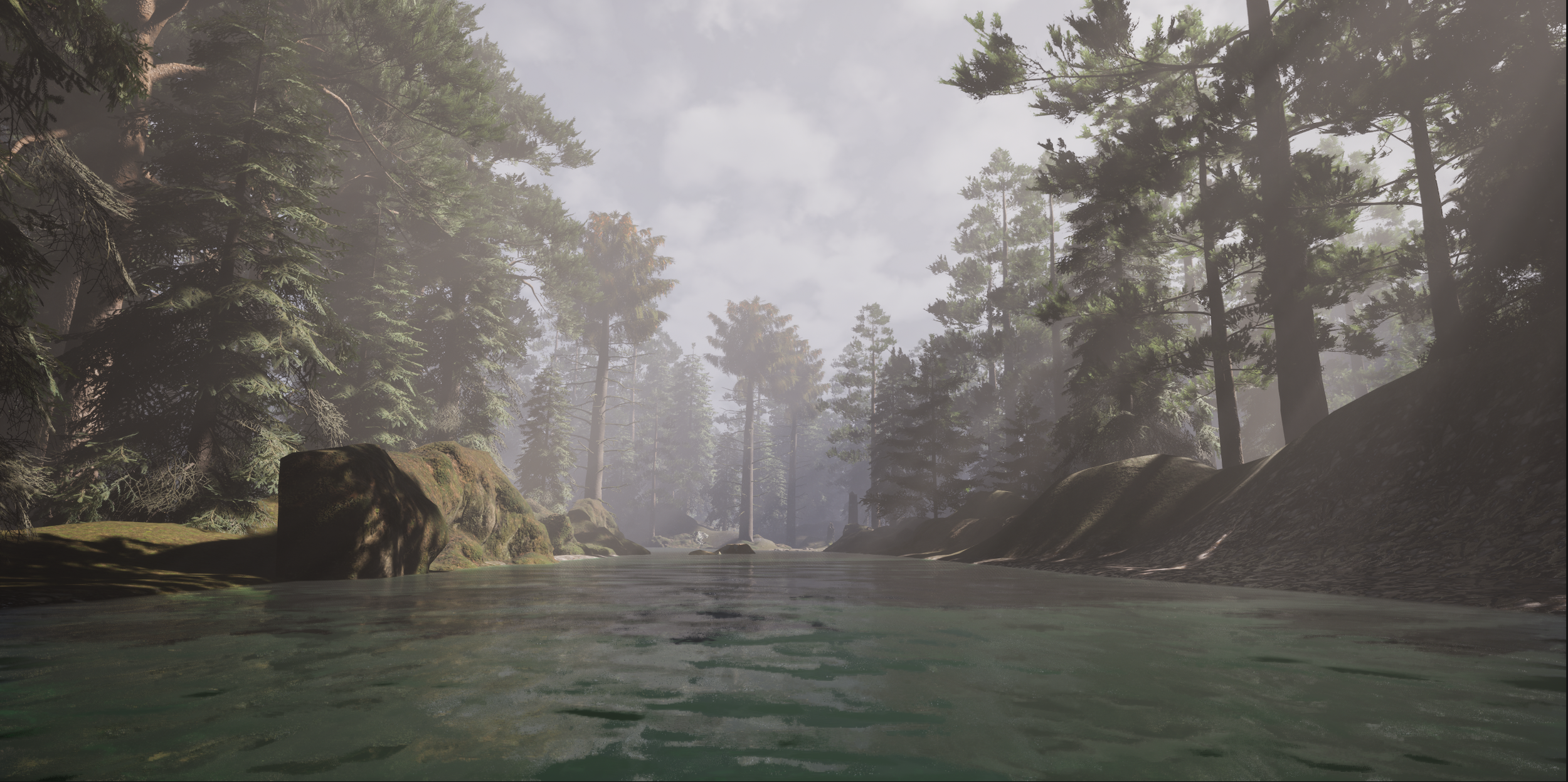
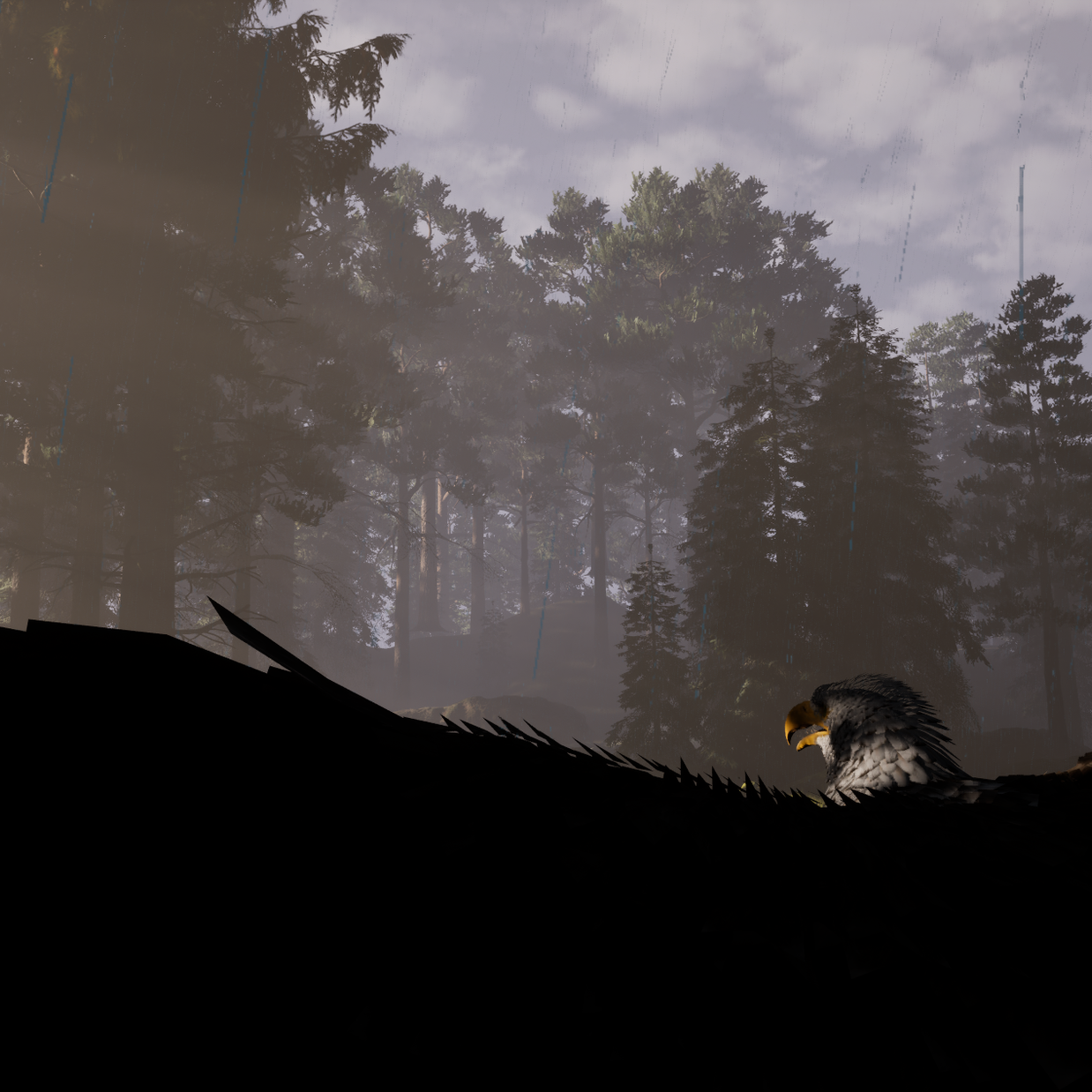
Virtual environments are known to produce physiological changes consistent with emotional responses to real-world scenarios. We believe that extended reality technologies should be utilized for that exact purpose: an extension of what is possible in physical reality. For that reason, the perspective of our VR experience is divided between the POVs of three different animals.
Concerns
The Tongass is our nation’s largest forest, the “Lungs of North America”. It helps mitigate climate change through carbon storage, offers essential breeding grounds for animals, provides many jobs in fishing and tourism, and is sacred to the sovereign tribes who have been taking care of it for thousands of years.
The Tongass National Forest in Southeast Alaska has been a contentious area of debate due to the Roadless Rule of 2001 and clear-cut logging restrictions. The current administration’s efforts to strip the Tongass of its protections reflects a nationwide push to open our public lands to not just logging, but sale, risking desecration and privatization.
Maintaining the Roadless Area Conservation rule ensures healthy forests , healthy habitats, healthy economics and healthy local communities.
Gravina Island, Alaska
These forests are among the largest remaining temperate rainforests in the world, and the Tongass alone stores approximately 44% of all carbon held in U.S. national forests. Old-growth stands act as irreplaceable carbon sinks, absorbing and storing carbon in massive trees, rich soils, and intact ecosystems. Clearcut logging of old-growth releases decades' worth of stored carbon immediately, and it can take centuries to recover the lost carbon storage capacity.
The Roadless Rule saves money and protects watersheds by preventing unnecessary road construction in sensitive landscapes. Preserving roadless protections means safeguarding the natural beauty and wildlife that make America's tourism and recreation industries thrive. These are some of our most pristine wild lands left, and rescinding the roadless rule would open up an entire third of our National Forests to more unnecessary development and extraction.
Immersive 360 Exhibit, November 7th-13
ASU MIX Center
-
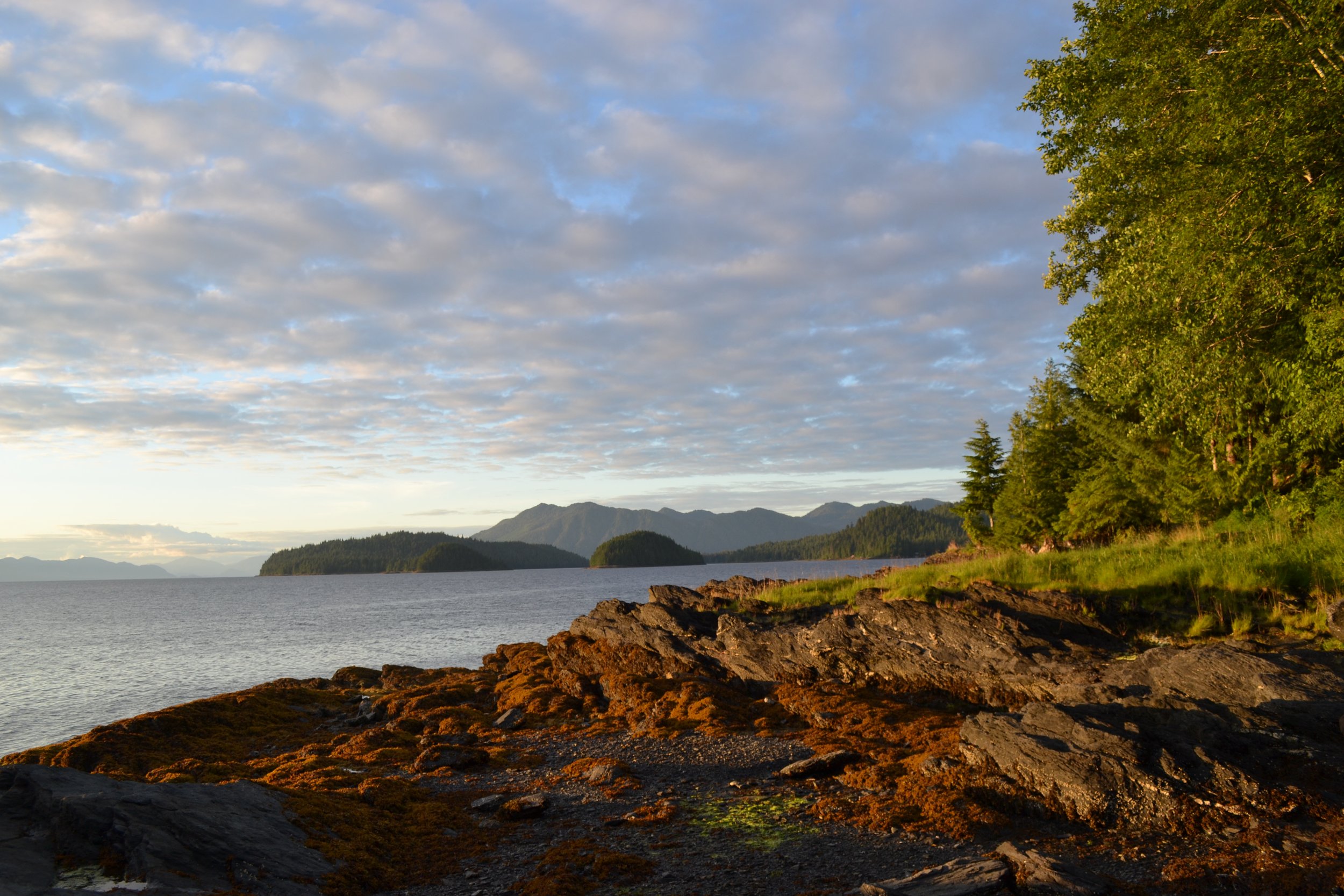
Goal
We utilized an Enhance Immersion Studio to create a space that resembled the giants of the Tongass and the stories of those who call it home.
-
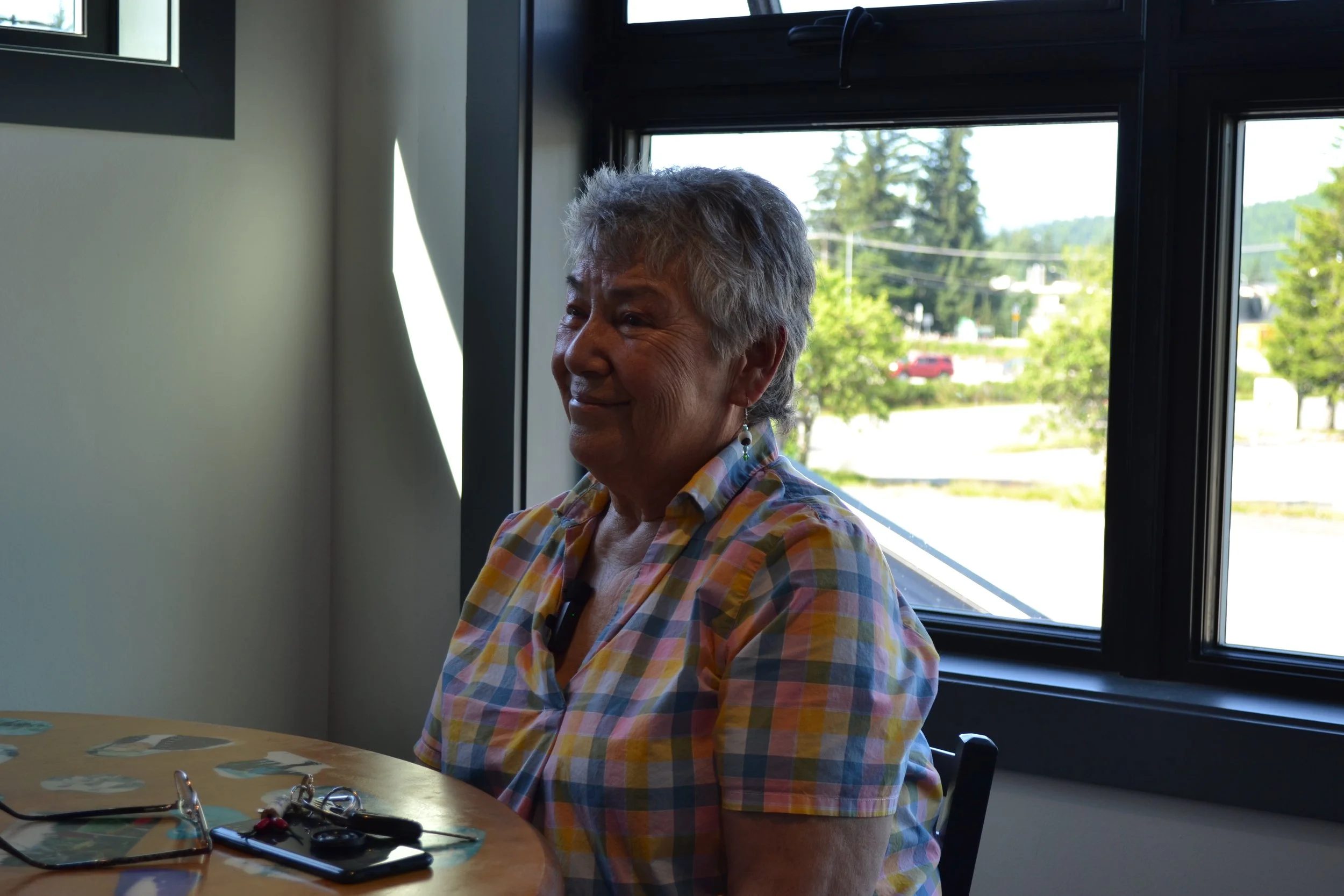
Impact
XXX people from the greater phoenix area attended the event, with many of these individuals never having traveled to Alaska before, or heard of the roadless rule protections.
-
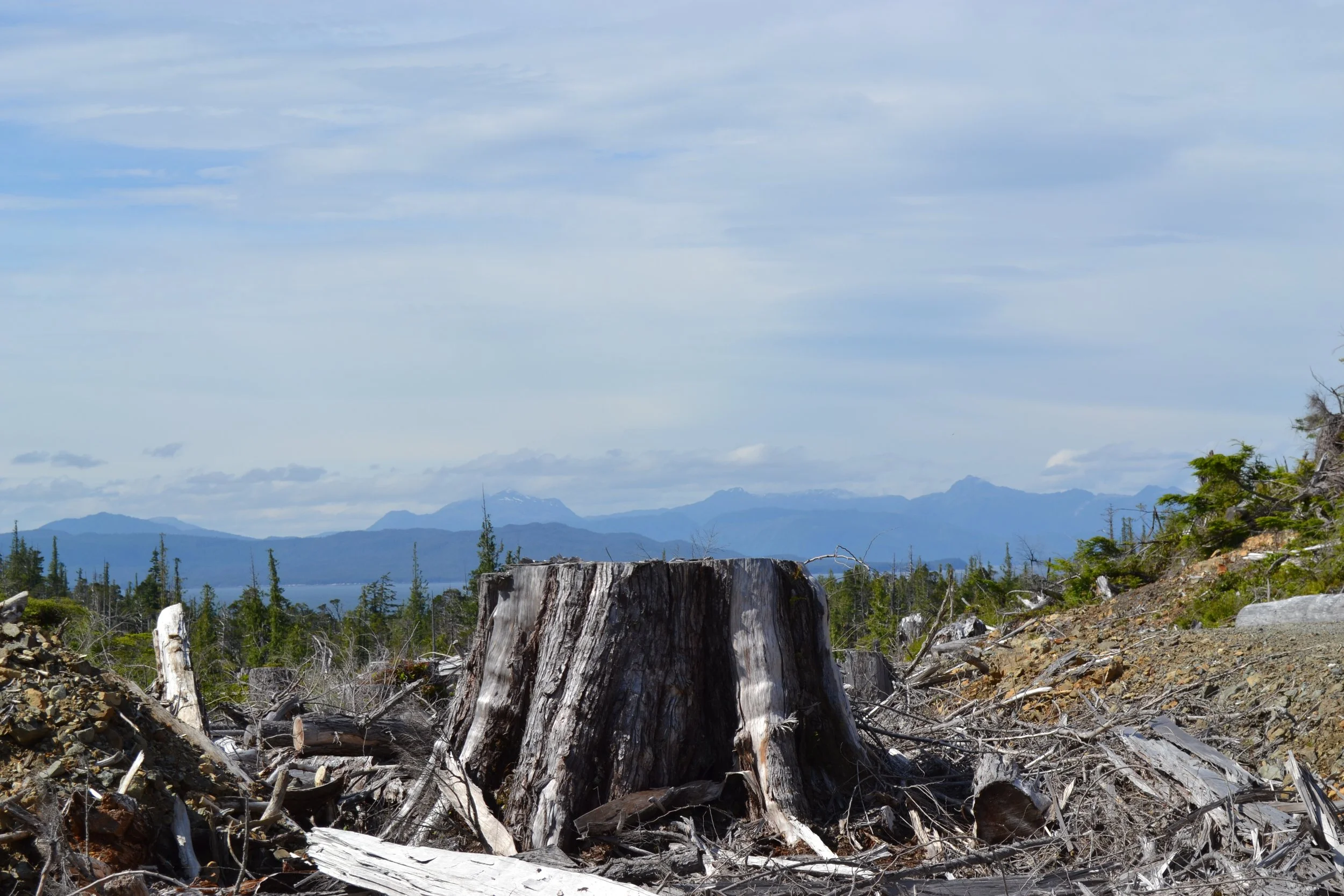
The Future
We believe there are a million ways to make a difference, and this exhibition is just the beginning of our long-term efforts to advocate and save these places. In the future, we will continue developing our VR experience, with the goal of bringing it to XR and film festivals across the country.